ruins talking back
cultural cleansing with architecture as its medium
Film:
2025, 22 min, digital, OV, English (English, German, Turkish subtitles available);
Director, Producer, Cinematography: İklim Doğan
Sound Design: Bassano Bonelli Bassano
Editing, Script, Voice-Over, Sound Recording: İklim Doğan
Additional Sound Mix: Sebastian Meyer
Additional Sound Recording: Kadir Doğacan Doğan
Visual Effects: Mert Barut
Colorgrading: Jimmi Kurt Hennrich
Title Design: Guilherme Maggessi
World Premiere - Diagonale 25'
International Premiere - Doclisboa 25'
Turkey Premiere - Documentarist 26'
Greece Premiere - DISFF 26'
Andrew Herscher's text on the film: Listening to "Ruins Talking Back"
Please contact for the press kit.
Book:
2027, Ruins Talking Back: Cultural Cleansing with Architecture as its Medium, Publication Series of the Academy of Fine Arts Volume 31. Berlin, Germany: Sternberg Press. (upcoming)
Numerous ruins in present-day Turkey bear witness to the Armenian history of Anatolia. İklim Doğan embarks on a cultural-historical search for traces, driven by an urgent political and personal interest: the search for an Armenia that has been turned into memory.
A ruin comes into being through natural decay or human hands. But what happens to the history of those who once built the architectural fabric? Many ruins scattered across Anatolia speak of the Armenian population that was deported from what is now Turkey in 1915.
In Ruins Talking Back, architect and filmmaker İklim Doğan undertakes a cultural-historical investigation, guided by a pressing political and personal interest: the search for the Armenian Heritage that has been transformed into memory. The narrative follows the railway lines that more than a century ago defined the routes of the deportations. Yet in today’s landscapes and cities, only the absence left behind by the disappeared remain. The traces of the past ultimately surface elsewhere: in the filmmaker’s family, in food, in music, in language. (Lisa Heuschober)
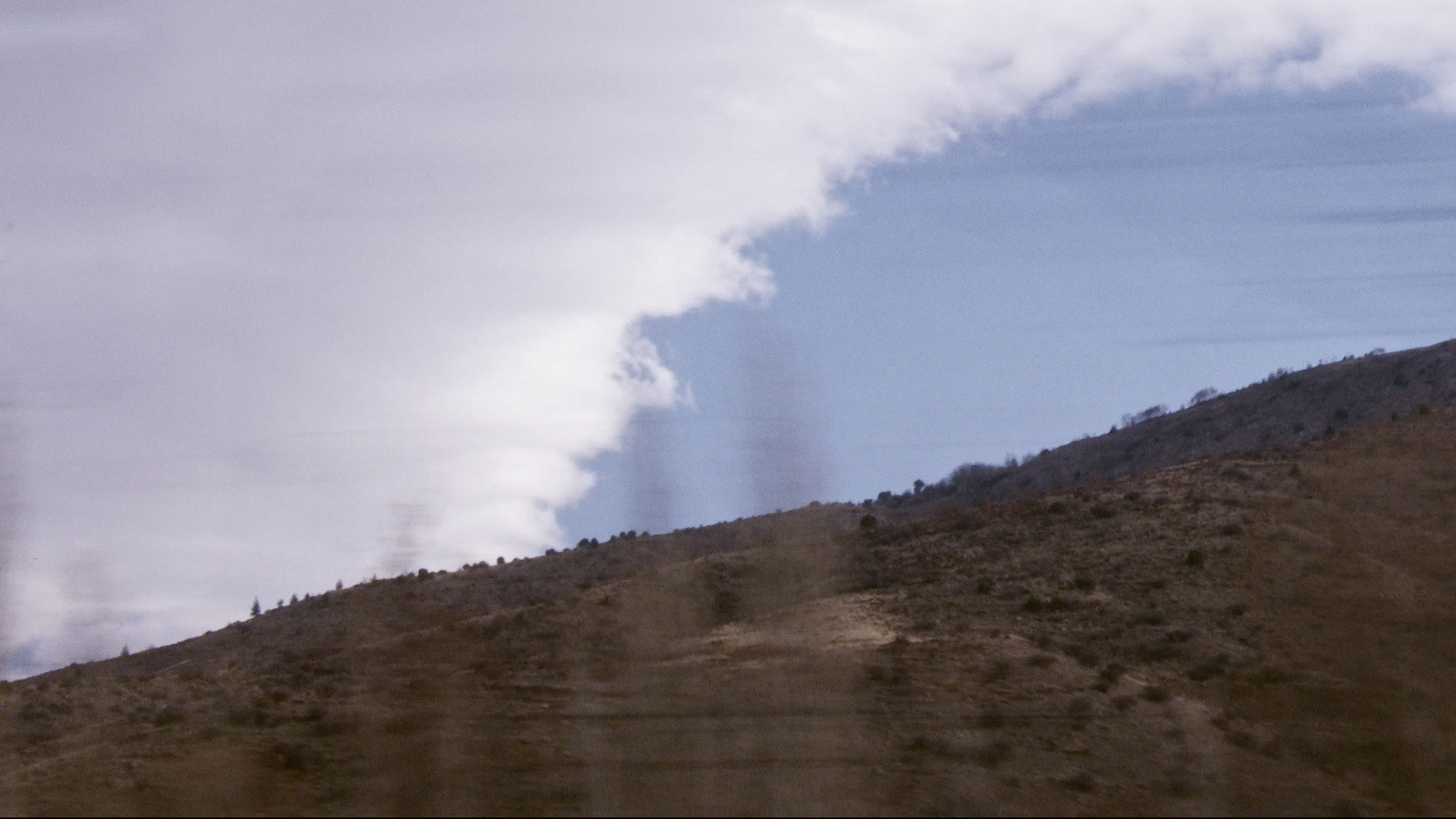
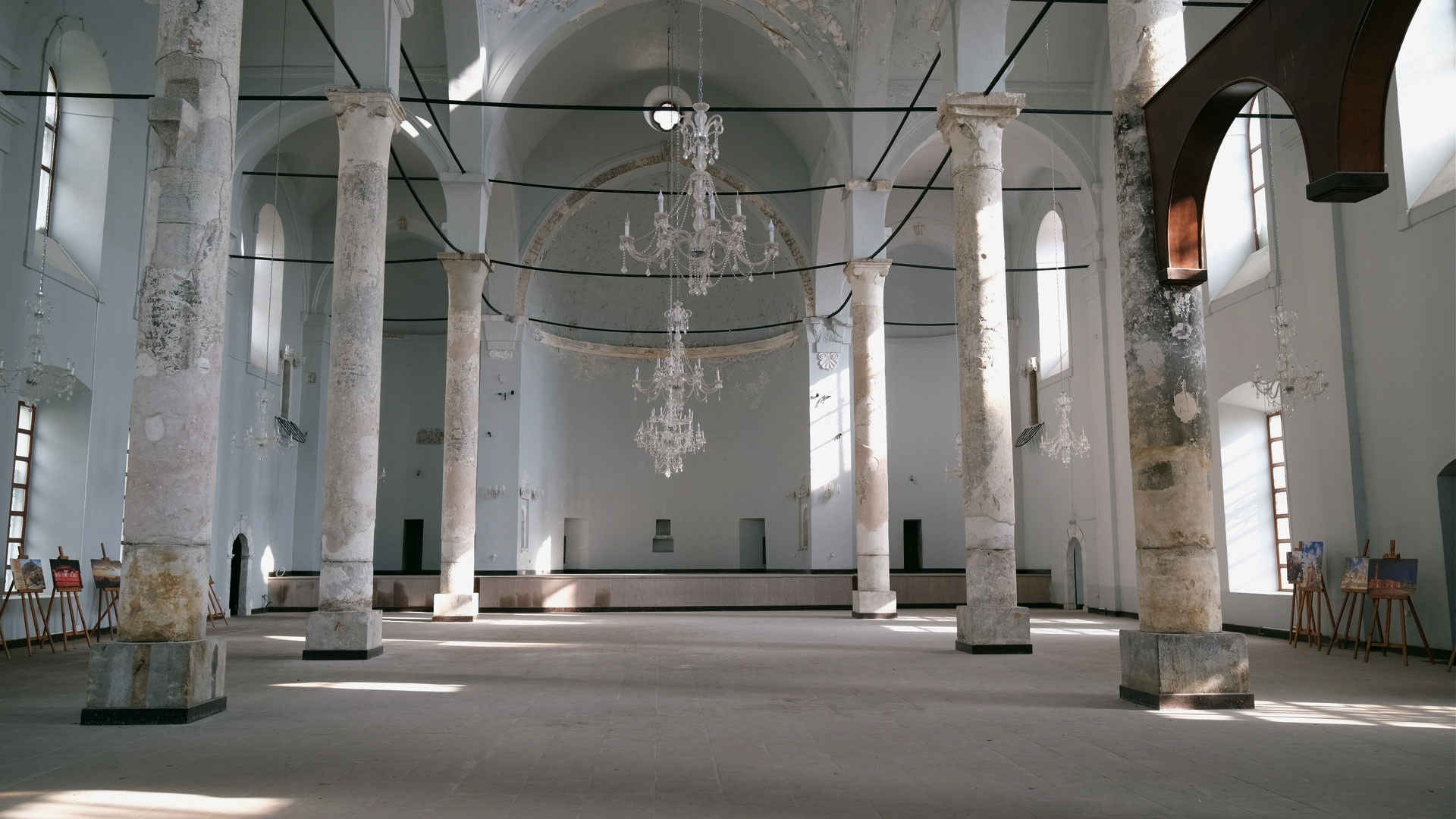
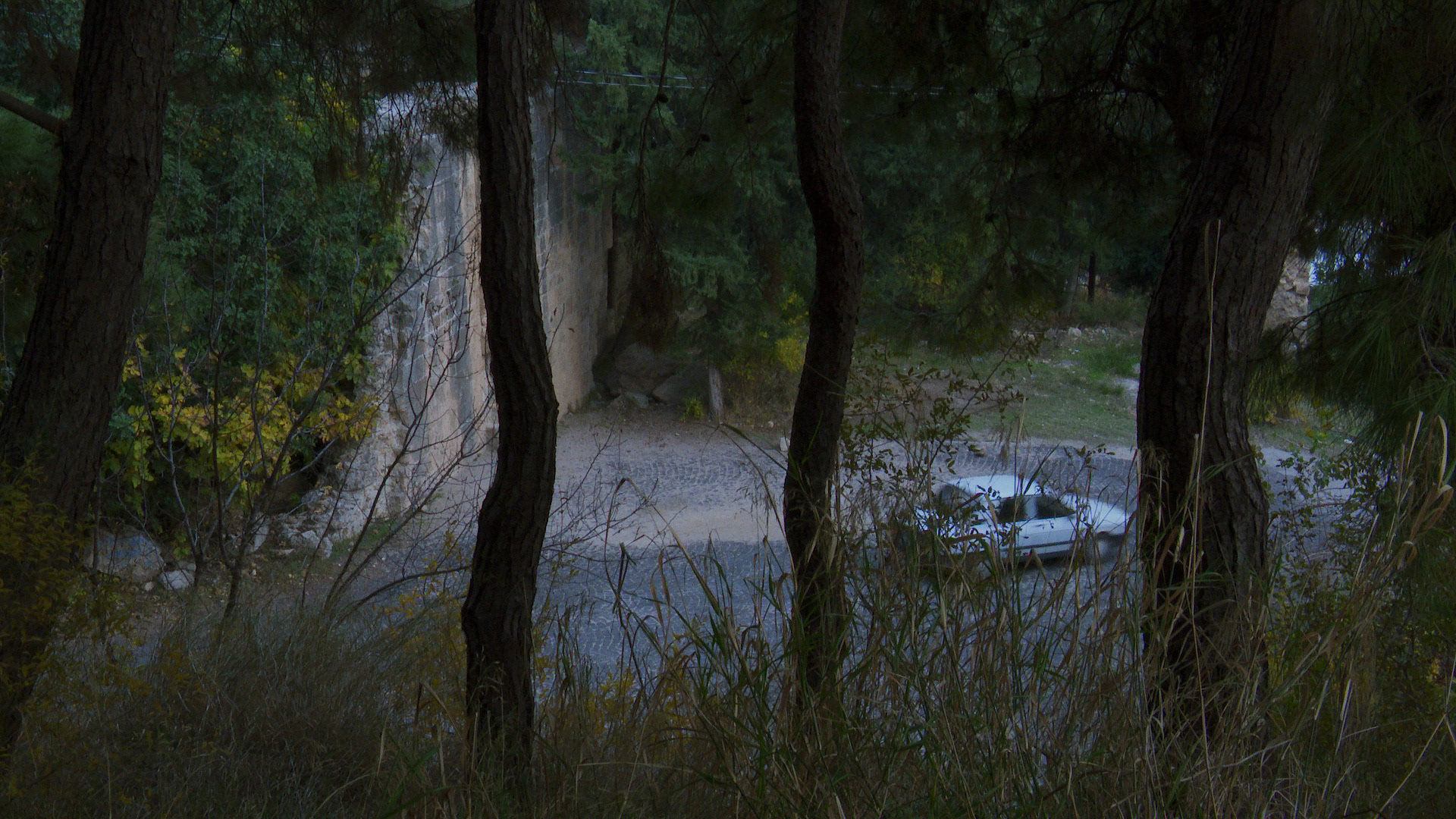
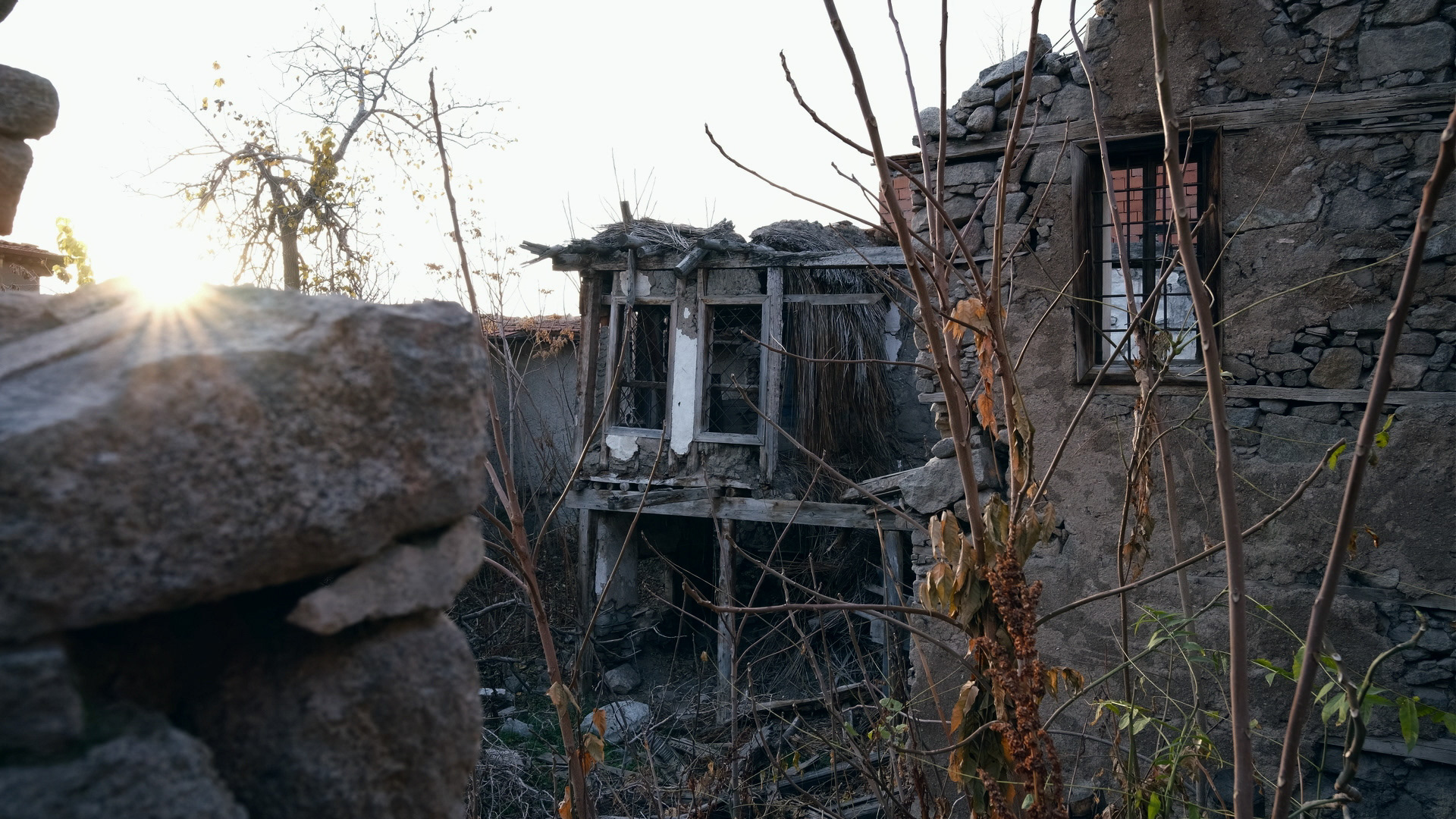
Filmstills
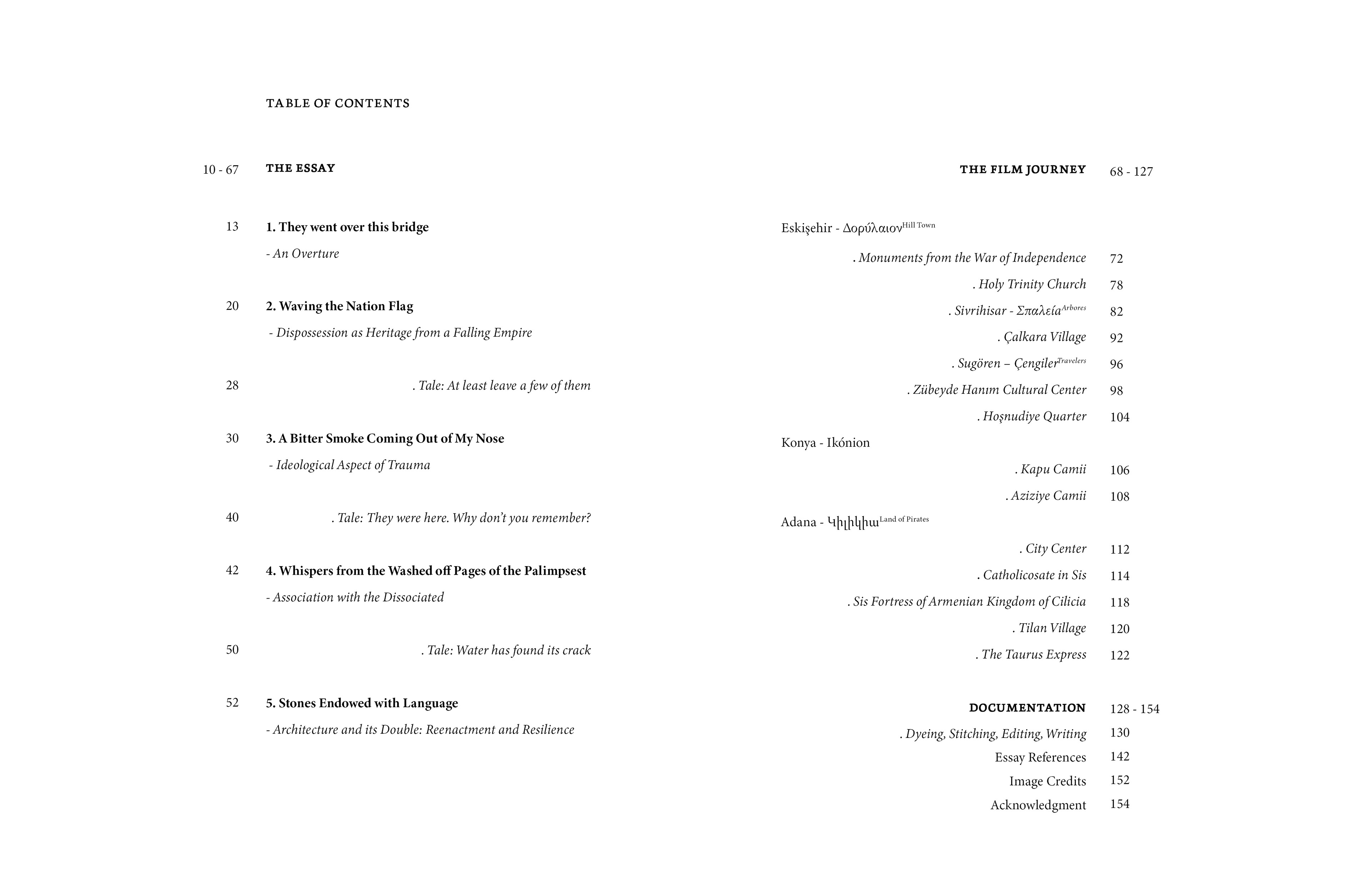
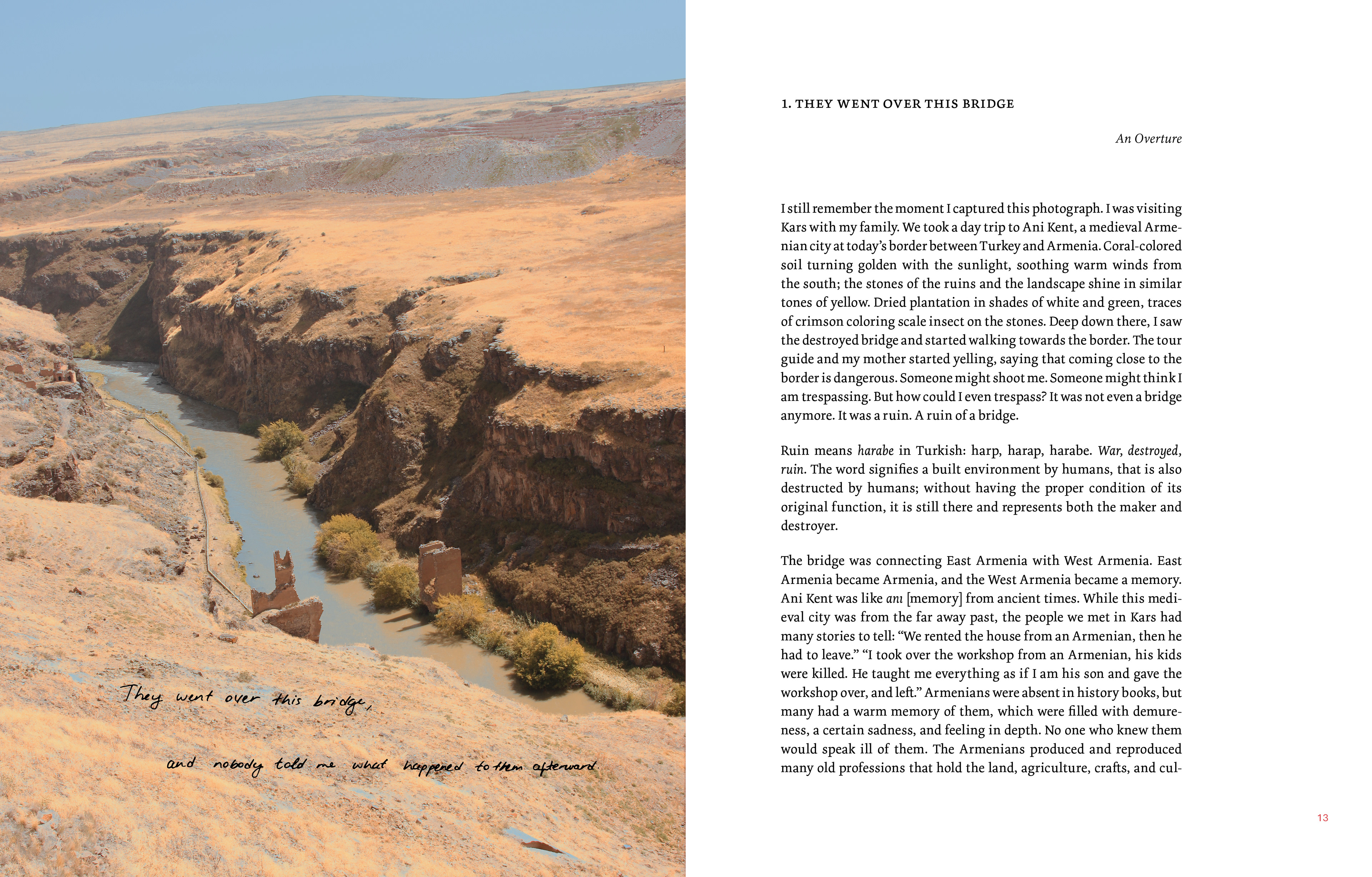
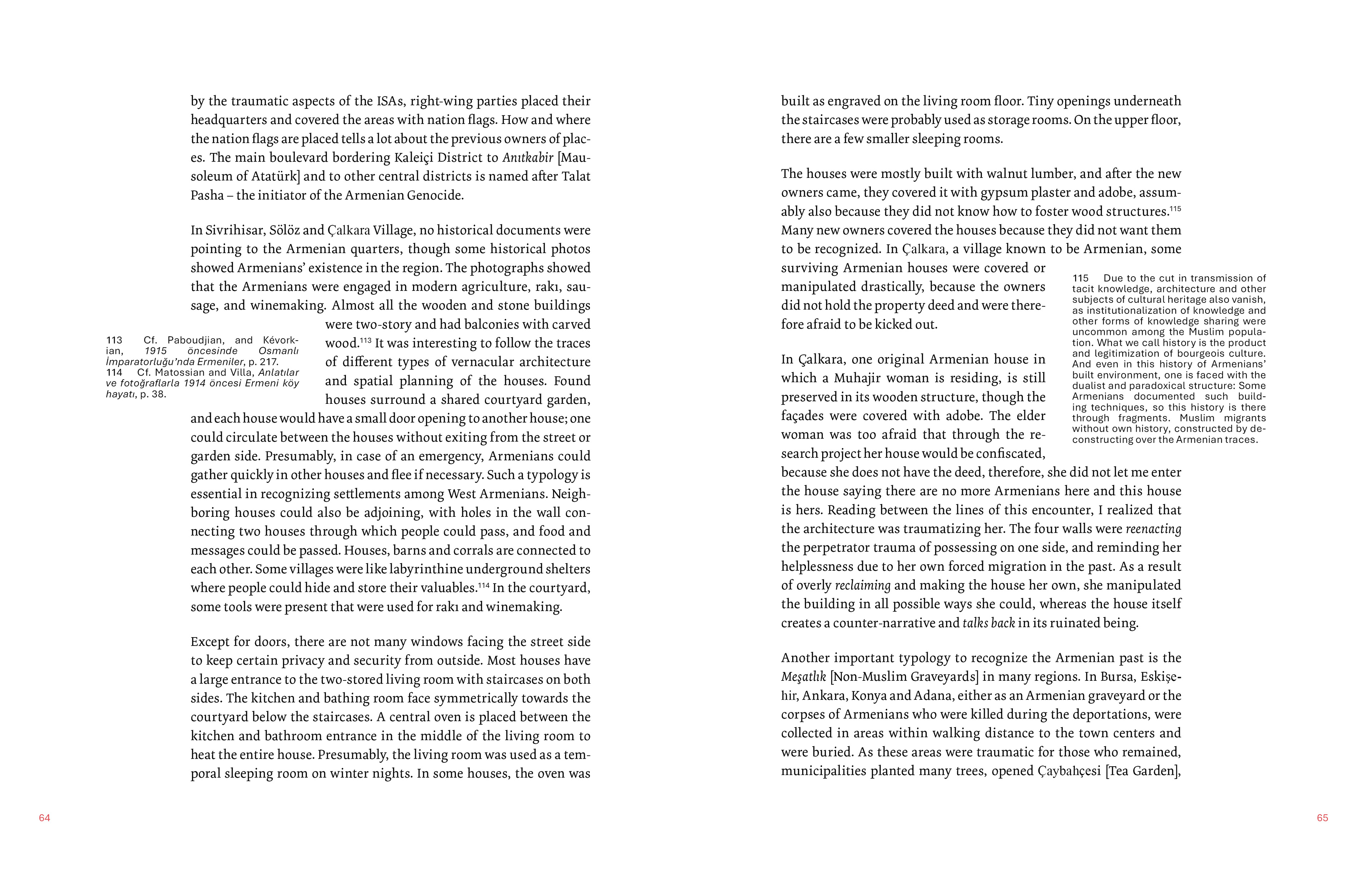
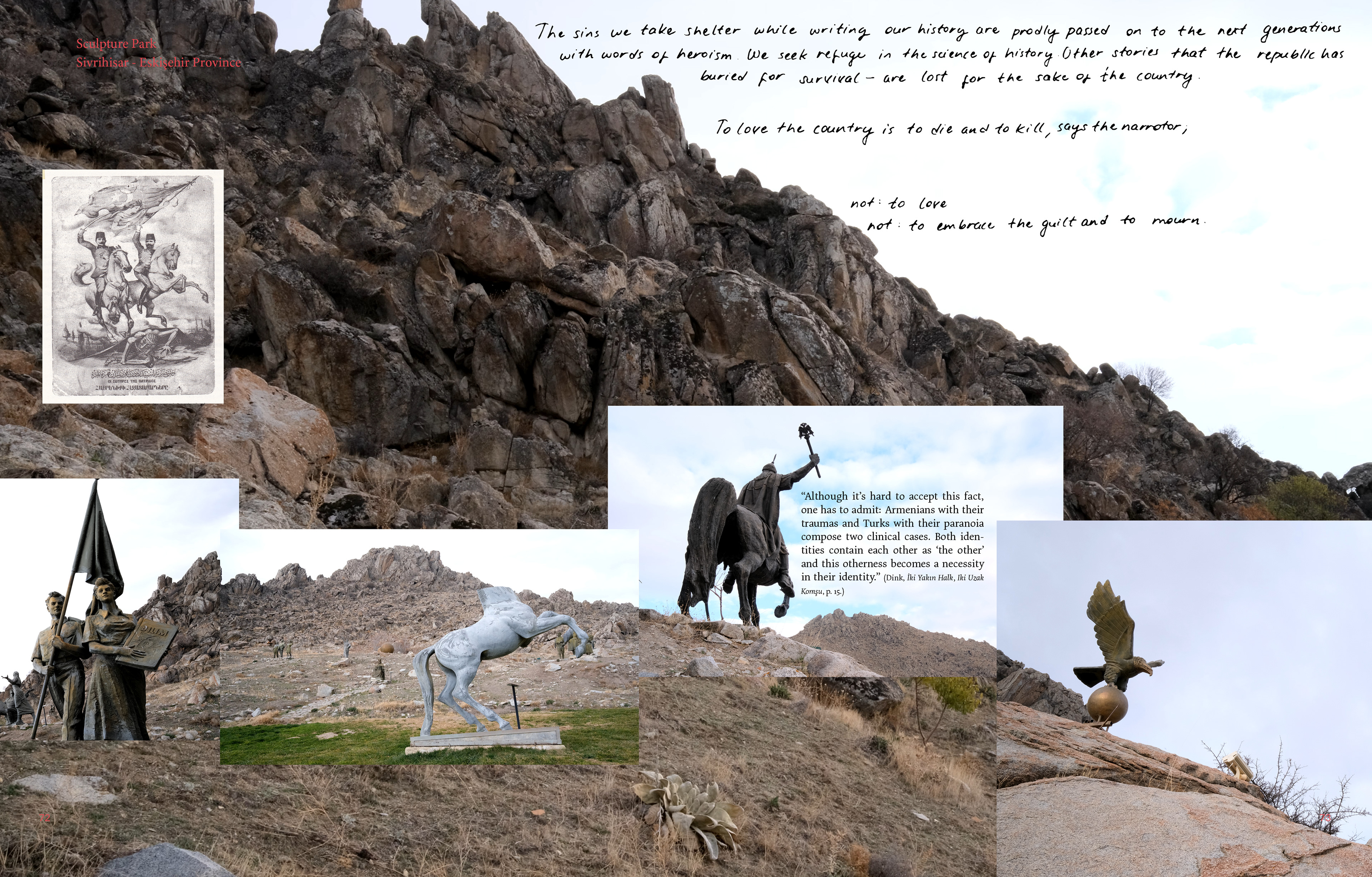
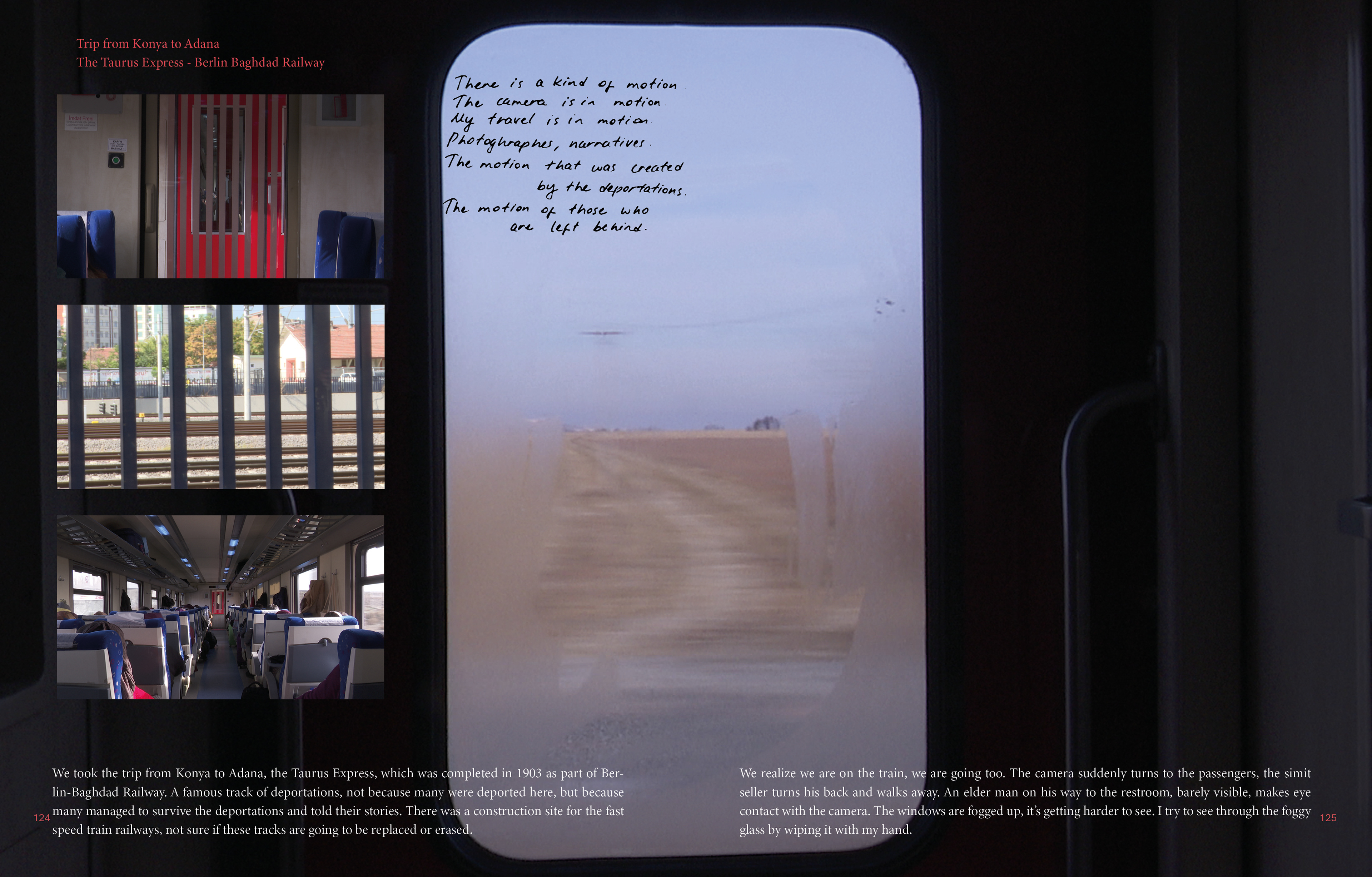
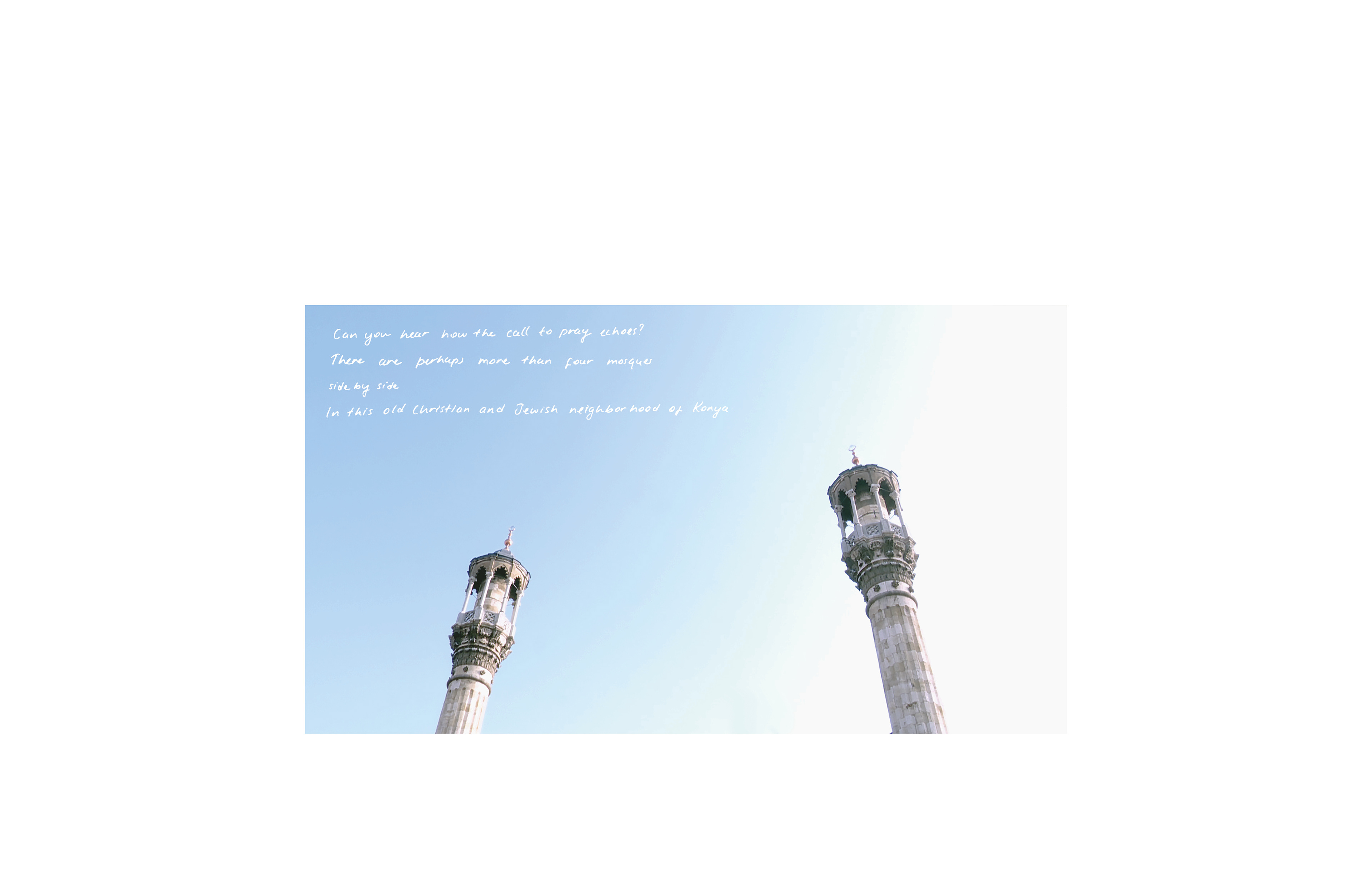

Double-pages from the book
ruins talking back is an artistic research that investigates the architecture of the Armenian past in Central Anatolia of the last hundred years, that are rendered invisible through the diagnostic frame. The project attempts to associate the past with today’s psycho-social and historical reading of Anatolia, and discusses architecture’s impact on spatial violence, cultural cleansing and dispossession with a critical acclaim on trauma, ideology, nationalism and historiography. Through analyzing the trauma aspect of ideological constructions and collective amnesia, the essay tackles the question of whether and how it is possible to refer and represent the altered or disappeared fragments of architecture and how historical trauma is interwoven in historiography and architectural writing.
The film searches remaining traces of the denunciated ruins and dislocated stones of the Armenian past in Anatolia. Accompanied by a train journey, the film associates the fragmented stories of the Armenians who were deported in 1915 with today’s psycho-social reading of Turkey, and discusses architecture’s impact on spatial violence, dispossession and erasure.
The film project is kindly supported by City of Vienna Culture and Academy of Fine Arts Vienna.